
audit

Auditing standards require a year-end risk assessment. One potential source of risk may be a small business’s reliance on the owner and other critical members of its management team. If…

Many businesses are closed or are limiting third-party access as COVID-19 surges across the United States. These restrictions could still be in place at year end — a time when…
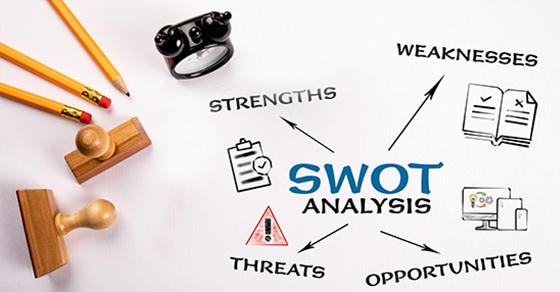
As your company plans for the coming year, management should assess your strengths, weaknesses, opportunities and threats. A SWOT analysis identifies what you’re doing right (and wrong) and what outside…

The coming audit season might be much different than seasons of yore. As many companies continue to operate remotely during the COVID-19 pandemic, audit procedures are being adjusted accordingly. Here’s…
A conflict of interest could impair your auditor’s objectivity and integrity and potentially compromise you company’s financial statements. That’s why it’s important to identify and manage potential conflicts of interest.…
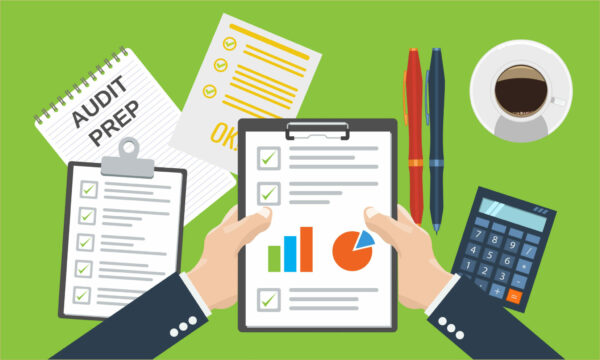
Amidst an economic crisis, the idea of undergoing an external audit may not be appealing. But it’s a valuable tool for demonstrating your financial condition to stakeholders — perhaps more…

Remote audit procedures can help streamline the audit process and protect the parties from health risks during the COVID-19 crisis. However, seeing your auditor can be essential when it comes…

The COVID-19 crisis is causing private companies to re-evaluate the type of financial statements they should generate for 2020. Some are considering downgrading to a lower level of assurance to…

If you operate a small business, or you’re starting a new one, you probably know you need to keep records of your income and expenses. In particular, you should carefully…

Many people are currently working from home to help prevent the spread of the novel coronavirus (COVID-19). Your external auditors are no exception. Fortunately, in recent years, most audit firms…

The novel coronavirus (COVID-19) pandemic has adversely affected the global economy. Companies of all sizes in all industries are faced with closures of specific locations or complete shutdowns; employee layoffs,…

Traditionally, audit procedures for private companies tend to focus on the balance sheet. That is, auditors evaluate whether the book values of the company’s assets are overstated and its liabilities…

The coronavirus (COVID-19) outbreak — officially a pandemic as of March 11 — has prompted global health concerns. But you also may be worried about how it will affect your business and…

Auditors use various procedures to verify the amounts reported on your financial statements. In addition to reviewing original source documents and comparing trends from prior years, they may reach out…

Contingent liabilities reflect amounts that your business might owe if a specific “triggering” event happens in the future. Sometimes companies are unclear when they’re required to report a contingent liability…