

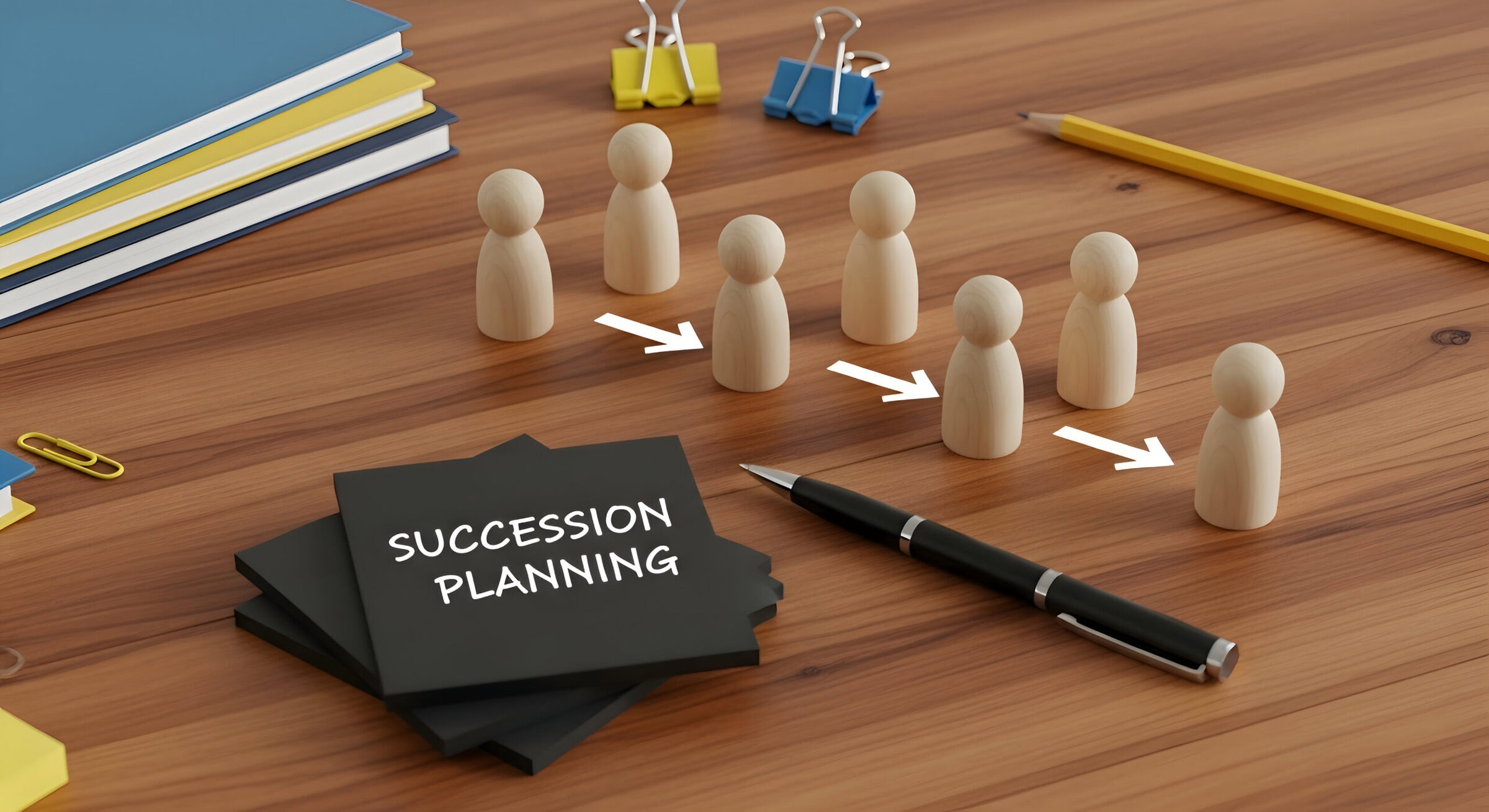

Leadership transitions are inevitable for every nonprofit. Whether caused by retirement, career moves or unexpected departures, these changes can disrupt operations if organizations aren’t prepared. A well-structured succession plan helps ensure stability, protects institutional knowledge and supports long-term mission success.
Developing a succession plan takes time and thoughtful preparation, but if you start early, you’re in a far better position to handle leadership changes smoothly. Here are several key considerations for creating a strong succession plan.
Look beyond your executive director
Don’t limit succession planning to the executive director (ED) position. Your plan should include every employee you consider difficult to replace due to experience, institutional knowledge or other characteristics. Whose departure would have the most significant consequences for your organization and its strategic plans?
When you look at it that way, you can see that succession planning often should be broader than first considered. In addition to the ED, you might need to develop plans for executives, high-level staff and even board members.
Reevaluate each role’s requirements
This step calls for more than simply reviewing or updating job descriptions. Now may be a good time to examine priorities and realign some job responsibilities. Doing so can help ensure that successors have the requisite qualifications to carry out your organization’s short- and long-term strategic plans and goals, which their current job descriptions might not reflect.
HR professionals usually say that succession planning should take a forward-looking perspective. The current jobholder’s experience and qualifications are only a starting point. Indeed, what worked in the past might not be sufficient to meet future challenges, especially as your nonprofit grows.
Spot future leaders within your organization
When a position is vacated, many organizations publicize the open position and invite external candidates to apply. However, it’s easier (and often advantageous) to equip internal candidates before the need arises. To do so, you’ll want to identify your “high potential” (HiPo) employees — those with the ambition, motivation and ability to move up substantially in your organization.
Assess your staff through performance evaluations, career-planning discussions and other tools to determine who can assume greater responsibility now, in a year, or in several years. You may discover HiPos in lower-ranking positions, so be sure to look beyond the director or manager level.
Create development paths
Once you’ve identified potential internal candidates, you can create individual development plans. Consider your organization’s needs, as well as each candidate’s personality and learning style. Action plans might contain multiple components, such as job shadowing. Shadowing will give you a good sense of how a person might fill the position under consideration. It can also provide opportunities, such as leadership roles on special projects, as well as training, mentoring and coaching.
Be sure to discuss your vision with the staffer to ensure you share common goals. You can update action plans as your organization and employees’ needs evolve.
If such an action plan seems like overkill, understand that it will prepare candidates for smoother future transitions. Formal development plans are also likely to boost recruitment and retention efforts. But avoid leaving HiPos in holding patterns. If they don’t receive timely promotions or other growth opportunities, they may pack up their skills and qualifications and leave.
Communicate with key stakeholders
Succession planning isn’t something to keep under wraps. You won’t receive recruitment and retention benefits if potential and existing staff don’t know about your formal plans for nurturing talent.
When relevant, you’ll also want to share the existence of a succession plan with stakeholders, such as grantmakers and major donors. They’ll appreciate the assurance that you’re unlikely to be knocked off course by a significant personnel departure.
Preparing for seamless transitions
Thoughtful succession planning strengthens an organization’s resilience and reduces risks associated with leadership change. By identifying future leaders, preparing them for expanded responsibilities and communicating plans with stakeholders, nonprofits can maintain momentum during transitions. In many cases, well-handled leadership changes can even create opportunities for renewed energy, stronger governance and increased support for your mission.
© 2026

Thompson Greenspon
This blog post was provided by Thompson Greenspon. If you have questions or concerns regarding this content, please contact us.