

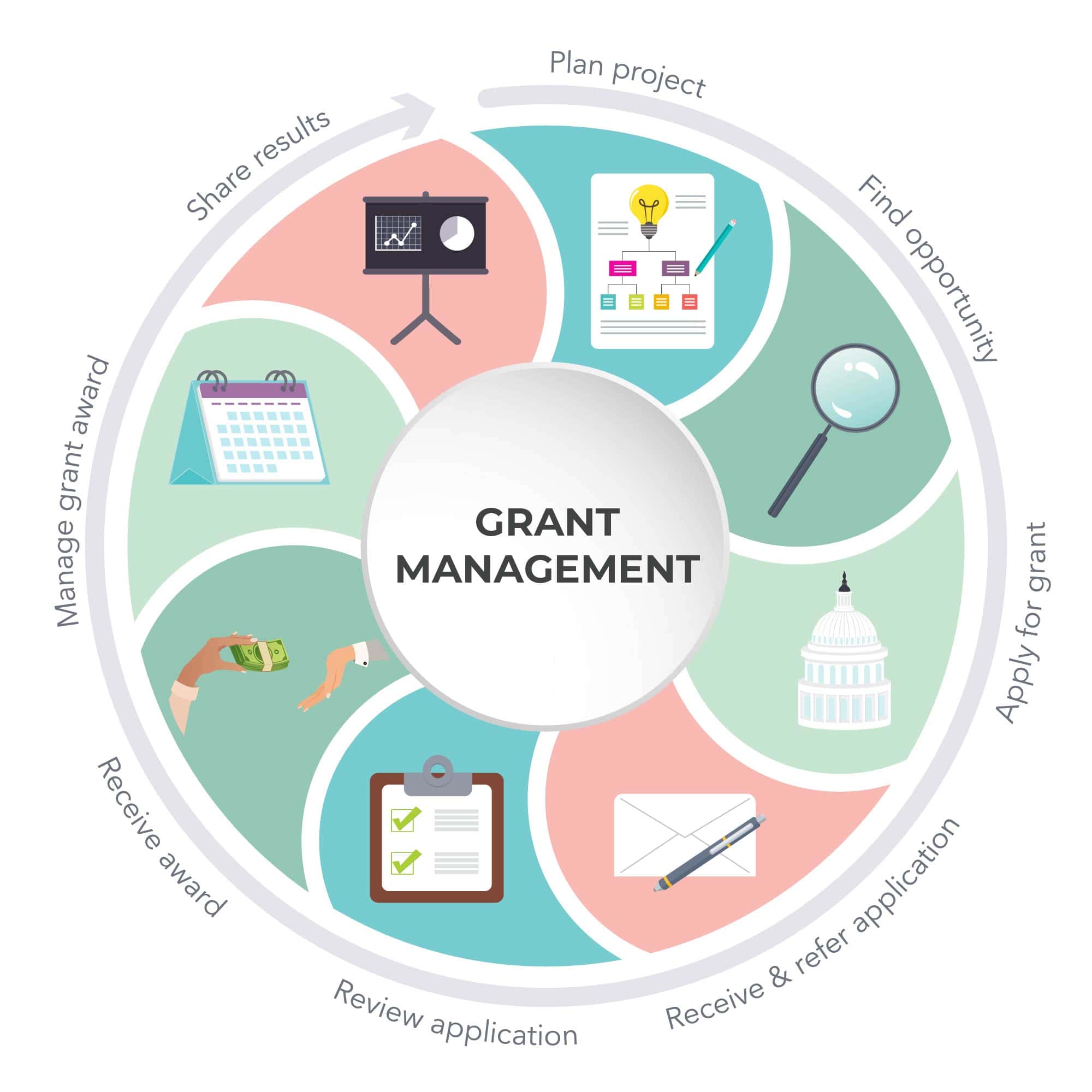

While nonprofit organizations often rely on grants as a critical funding source, economic uncertainty has prompted many nonprofits to pursue them more aggressively. Whether your organization is new to grant funding or looking to refine an existing process, building a strong grant management framework takes time and intention. The payoff, however, can be significant. The following strategies can help nonprofits enhance their grant management:
Treat grant management as a team effort.
A grant touches more than one department, so managing it in silos is a costly, albeit common, mistake. Development, program, and finance teams should all be involved throughout the grant’s life cycle, from proposal development through final reporting.
Collaboration is especially important during the proposal phase. Program staff define activities, timelines, outcomes, and personnel and expenditure needs, while the finance department helps shape a realistic and compliant budget. Development staff can then integrate this information into a compelling proposal that aligns expectations across the organization.
Once a grant is awarded, collaboration shouldn’t stop. Regular communication among departments about program progress and spending helps identify issues early, when adjustments are still possible. This shared responsibility reduces compliance risks and increases the likelihood of meeting funder expectations.
Design monitoring systems with the grant proposal in mind.
This makes grant management far smoother. Accounting, reporting, and tracking tools should be developed in line with grant requirements before a proposal is submitted, not after funds arrive.
For example, if your organization plans to track grant expenses through its accounting system, the proposal budget should align with your chart of accounts. When budgets and systems don’t align, staff often resort to manual reporting — a time-consuming process that increases the risk of errors and inconsistencies.
Taking a systems-aware approach from the outset helps ensure accurate, timely reporting and reduces administrative strain over the life of the grant.
Formalize policies and procedures.
Grant management should never be ad hoc. Clear, documented policies and procedures provide consistency, accountability, and continuity.
Administratively, standardized processes help coordinate resources and create efficiency. Many organizations benefit from maintaining a centralized “grant repository” that includes commonly required documents, proposal language, templates and frequently asked questions. Keeping these materials up to date saves time and reduces duplication of effort.
From a financial perspective, policies should focus on compliance with grantor requirements. Funders place a high value on compliance, and a strong track record can enhance your reputation and improve future funding prospects. Clear procedures also support timely data collection and accurate reporting.
Operational policies should emphasize outcome tracking and program effectiveness. This data not only supports grant reporting but also can be repurposed for marketing/communications and donor engagement.
Use a comprehensive grant calendar.
A shared grant calendar is one of the most practical tools for strong grant management. It should include key dates such as application deadlines, reporting requirements, and internal review periods.
The calendar should also account for staff vacations, audits, board meetings, and other resource-intensive activities. Building in adequate lead time for reviews and approvals reduces last-minute stress and missed deadlines. While unexpected challenges will arise, proactive planning greatly improves your ability to meet grantor expectations.
As nonprofits grow, a well-structured grant management framework is no longer optional, it’s essential. By fostering cross-department collaboration, aligning proposals with internal systems, formalizing policies and planning proactively, nonprofits can reduce errors and inconsistencies, improve efficiency and strengthen funder relationships. Now is the time to assess whether your current approach is setting your organization up for long-term success.
© 2026

Thompson Greenspon
This blog post was provided by Thompson Greenspon. If you have questions or concerns regarding this content, please contact us.